Magh Bihu 2026: Uruka Celebrations, Origin, Traditions and Importance in Assam.
Magh Bihu 2026 marks Assam’s harvest celebration. Know Magh Bihu 2026 date, Magh Bihu Uruka 2026 traditions, origin, how Magh Bihu is celebrated in Assam, and why Magh Bihu is celebrated.
Magh Bihu 2026 is one of the most culturally significant festivals of Assam, deeply rooted in the agricultural traditions and seasonal rhythms of the region. Celebrated after the completion of the harvest season, Magh Bihu symbolises prosperity, gratitude, and collective joy.
Unlike festivals centred on ritual austerity, Magh Bihu is a celebration of abundance, marking a time when granaries are full and communities come together in harmony.
Also known as Bhogali Bihu, Magh Bihu holds a special place among the three Bihu festivals of Assam. Magh Bihu 2026 reflects the enduring relationship between people, land, and nature, making it not only a cultural event but also a living expression of Assamese identity.
Magh Bihu 2026 Date and Festival Observance
Understanding the Magh Bihu 2026 date is essential to appreciating the structure of the festival. Magh Bihu is not confined to a single day; instead, it unfolds over a sequence of meaningful observances tied closely to the Assamese calendar.
Magh Bihu 2026 Date Overview
- Magh Bihu Uruka 2026: Night of 13 January 2026
- Meji Bonfire Rituals: Early morning of 14 January 2026
- Magh Bihu (Assamese Magh 1): 15 January 2026
The Magh Bihu 2026 date coincides with the beginning of the Assamese month of Magh, reinforcing the festival’s agricultural significance and seasonal relevance.
Magh Bihu Uruka 2026: The Festival Eve of Feasting and Fellowship
Magh Bihu Uruka 2026 marks the festive eve and is one of the most anticipated aspects of the celebration. Observed on the night of 13 January, Uruka is dedicated to grand feasts, community gatherings, and collective celebration.
On Magh Bihu Uruka 2026, families and neighbours assemble in open fields, near riverbanks, or within village spaces. Temporary huts are constructed, and elaborate meals are prepared using freshly harvested rice, vegetables, fish, and meat. Cooking is done over open fires, reflecting age-old agrarian customs.
Magh Bihu Uruka 2026 represents unity and equality, where social distinctions dissolve, and everyone participates together. This shared celebration reinforces why Magh Bihu is celebrated as a festival of abundance and social harmony.
Magh Bihu Is Celebrated in Which State?
A frequently asked question is Magh Bihu is celebrated in which state. Magh Bihu is celebrated primarily and uniquely in the Indian state of Assam.
Thus, the answer to Magh Bihu is celebrated in which state is Assam, where the festival is observed across rural villages, towns, and urban centres. While minor regional variations exist, the core traditions remain consistent throughout the state.
Magh Bihu is celebrated in which state also highlights Assam’s distinctive cultural landscape, where festivals are closely intertwined with agricultural cycles and community life.
What Is the Origin of Magh Bihu?
To appreciate the deeper meaning of the festival, it is important to explore what is the origin of Magh Bihu. The origin of Magh Bihu dates back to ancient agrarian societies in Assam, where agriculture formed the backbone of survival and social organisation.
The origin of Magh Bihu is closely associated with harvest completion and fire worship. Fire symbolised warmth, purification, and protection during winter, while harvest celebrations expressed gratitude to nature for sustaining life.
Over generations, these practices evolved into a structured festival. Hence, what is the origin of Magh Bihu lies in the collective human response to seasonal change, agricultural success, and the need for community bonding.
Why Magh Bihu Is Celebrated
Understanding why Magh Bihu is celebrated provides insight into Assamese values and worldview. Magh Bihu is celebrated to mark the successful end of the harvest season and to express gratitude for agricultural abundance.
Another reason why Magh Bihu is celebrated is to allow people to enjoy the fruits of their labour after months of hard agricultural work. The festival promotes generosity, as food is shared freely among family members, neighbours, and guests.
In essence, why Magh Bihu is celebrated can be summarised as:
- Celebration of harvest abundance
- Thanksgiving to nature and fire
- Reinforcement of community unity
- Preservation of cultural traditions
Magh Bihu 2026 continues these age-old values in both rural and urban settings.
How Is Magh Bihu Celebrated in Assam?
A key aspect of the festival is understanding how Magh Bihu is celebrated in Assam. The celebration follows a structured yet joyful pattern that blends ritual and festivity.
Uruka Night Celebrations
The festivities begin with Magh Bihu Uruka 2026, where feasting and social interaction dominate the night.
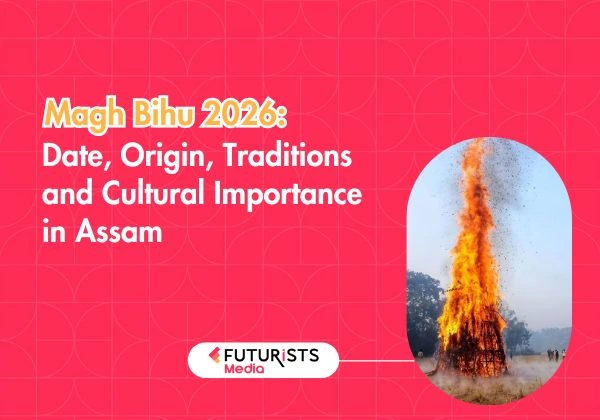
Meji Bonfires
At dawn on 14 January, large bonfires known as Meji are lit. Offerings are made into the fire as a gesture of gratitude and prayer for future prosperity. These rituals form a vital part of how Magh Bihu is celebrated in Assam.
Magh Bihu Day
On 15 January, Magh Bihu is observed more calmly. Families exchange greetings, visit relatives, and continue enjoying traditional foods, marking Assamese Magh 1.
Overall, how Magh Bihu is celebrated in Assam reflects balance—celebration without excess, ritual without rigidity.
Traditional Foods and Culinary Heritage
Food is central to Magh Bihu 2026. Rice-based delicacies, sweets, and seasonal dishes dominate the festive menu. These foods symbolise prosperity and the joy of harvest completion.
The preparation and sharing of food further explain why Magh Bihu is celebrated as a festival rooted in generosity and abundance.
Cultural and Social Importance of Magh Bihu 2026
Magh Bihu 2026 is not merely a festival; it is a social institution that reinforces Assamese cultural values. It encourages cooperation, respect for tradition, and intergenerational bonding.
By celebrating together regardless of social or economic status, communities reaffirm equality and unity—key reasons why Magh Bihu is celebrated with such enthusiasm.
Magh Bihu in Contemporary Society
In modern Assam, Magh Bihu 2026 is celebrated through organised community events, cultural programs, and family gatherings. Despite urbanisation and lifestyle changes, the core traditions remain intact.
This continuity highlights the enduring relevance of Magh Bihu and answers how Magh Bihu is celebrated in Assam even in contemporary times.
The Lasting Significance of Magh Bihu 2026: A Festival of Abundance and Identity
Magh Bihu 2026 stands as a timeless symbol of Assam’s agrarian heritage and cultural resilience. From understanding what is the origin of Magh Bihu to knowing the Magh Bihu 2026 date, the festival reflects gratitude, abundance, and social unity.
Through Magh Bihu Uruka 2026, Meji bonfire rituals, and the observance of Magh Bihu on Assamese Magh 1, the festival offers a complete cultural experience.
Ultimately, why Magh Bihu is celebrated lies in its ability to connect people with nature, tradition, and community—making Magh Bihu 2026 a living celebration of Assamese identity and collective prosperity.